- Kalite Tesadüf Değil Seçimdir
- 0 536 885 52 28

Forex vs Stocks Which Trading Market is Right for You 1669051563
Understanding Forex News Trading Strategies and Insights 1786354641
8 Kasım 2025Simple tips to victory during the Leprechaun happens Egypt position: likelihood, gifts, actions, campaigns BNC EN
8 Kasım 2025Forex vs Stocks Which Trading Market is Right for You 1669051563

Forex vs Stocks: Which Trading Market is Right for You?
When it comes to investing, traders often find themselves caught in a dilemma: should they trade in the forex market or the stock market? Each has its unique set of advantages and disadvantages, which makes understanding these differences crucial for developing an effective trading strategy. In this article, we will delve into the key attributes of both markets and help you decide which path might be the best for your trading ambitions. For further insights, you can also consider resources from trading forex vs stocks Trading PH.
Understanding Forex Trading
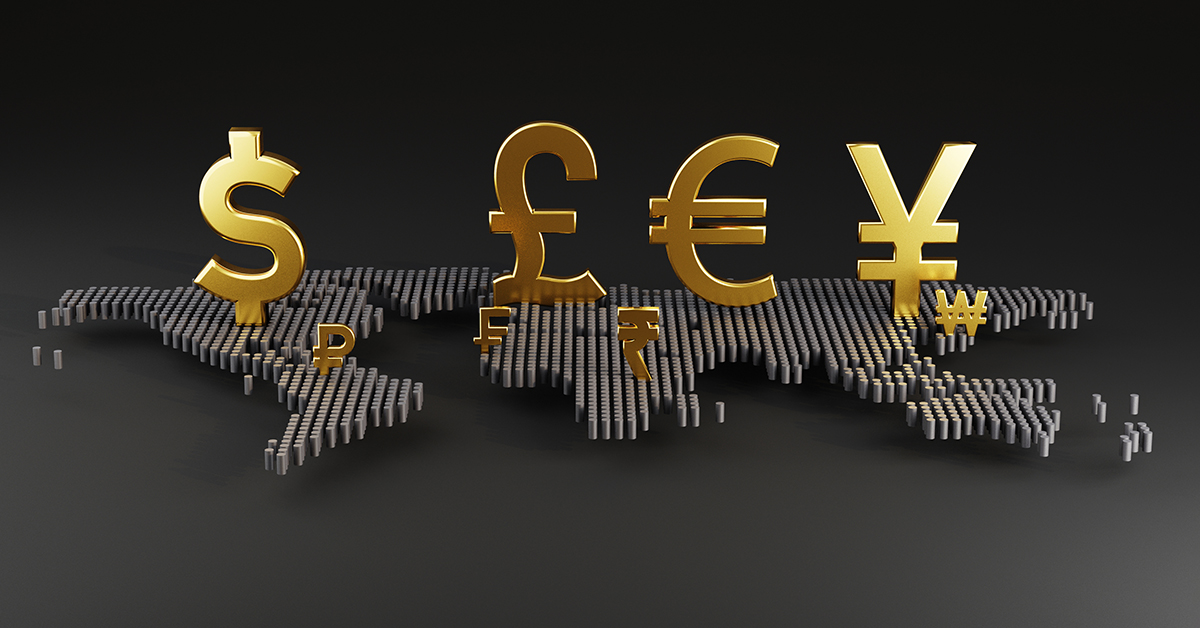
The foreign exchange market, commonly known as forex, is the largest financial market in the world. It operates 24 hours a day, five days a week, providing traders with immense flexibility. The forex market allows you to trade currencies directly against one another (e.g., USD/EUR), which can result in both potential profits and losses based on fluctuating exchange rates.
Advantages of Forex Trading
- High Liquidity: The forex market boasts a daily trading volume exceeding $6 trillion, which means high liquidity. This facilitates quick transactions with limited price slippage.
- Leverage: Forex brokers often offer substantial leverage, allowing traders to control larger positions with a small amount of capital. For example, a 100:1 leverage means you can control $100,000 with just $1,000 in your account.
- Lower Transaction Costs: Forex trading typically incurs lower transaction costs than stocks. While brokers may charge spreads, these costs are generally less than brokerage fees associated with stock trading.
- Access to a 24-Hour Market: The forex market operates continuously across various time zones, allowing traders to participate at any time, catering to diverse global demographics.
Disadvantages of Forex Trading
- High Volatility: While the potential for profit is high, extreme volatility can also lead to significant losses, making risk management essential.
- Complexity: The forex market can resemble a labyrinth due to the various factors influencing currency movements, including political events, economic indicators, and market sentiment.
- Less Regulation: The forex market is less regulated compared to stock markets, which can increase the risk of encountering untrustworthy brokers.
Understanding Stock Trading
Stock trading refers to buying and selling shares of publicly traded companies. This market also enjoys broad participation from retail and institutional investors alike and is the foundation of many investment portfolios.
Advantages of Stock Trading
- Ownership: Purchasing stock represents a share of ownership in a company, potentially entitling you to dividends and voting rights.
- Steady Growth: Historically, stock markets have shown long-term upward trends, providing traders with the potential for capital appreciation over time.
- Regulation: Stock markets are heavily regulated, protecting investors from fraudulent activities and ensuring a level playing field.
- Variety of Choices: With thousands of publicly traded companies, investors have a wide range of options to choose from, enabling diversification across different industries and sectors.
Disadvantages of Stock Trading
- Market Hours: The stock market operates during specific hours, creating limitations for those who wish to trade outside of these times.
- Higher Transaction Costs: Compared to forex, transaction fees associated with stock trading can be significantly higher, particularly for frequent traders.
- Lower Liquidity: Depending on the stock, certain companies may experience lower trading volumes, leading to wider spreads and potentially more difficult entry and exit points.
Choosing Between Forex and Stocks
Your decision to pursue forex or stock trading should depend on your personal preferences, trading style, and risk appetite. A few questions might help clarify your choice:
- Are you looking for quick trades and high leverage, or do you prefer a slower, more measured investment approach?
- Do you have the capability to monitor the market at any time, or do you need a structured schedule?
- Are you comfortable with the complexities of forex trading, or do you prefer the familiarity and regulation of stock markets?
Conclusion
Both forex and stock trading offer unique opportunities for profit, each with its own set of risks and rewards. Understanding the fundamental differences between these two markets is crucial for becoming a successful trader. As you embark on your trading journey, be sure to evaluate your own financial goals, risk tolerance, and available resources. In doing so, you can choose the path that aligns best with your aspirations and investment strategy.
